Genealogical Research
Family lineage tracing, record analysis, and research support grounded in source comparison, documented findings, and careful evaluation of conflicting evidence.
Blanding Historical Stories provides genealogy and archival research services with a focus on accuracy, careful documentation, and respect for the historical record. From lineage tracing to community archive support, the work is methodical, evidence-driven, and designed to preserve stories that deserve better than internet folklore in a waistcoat.
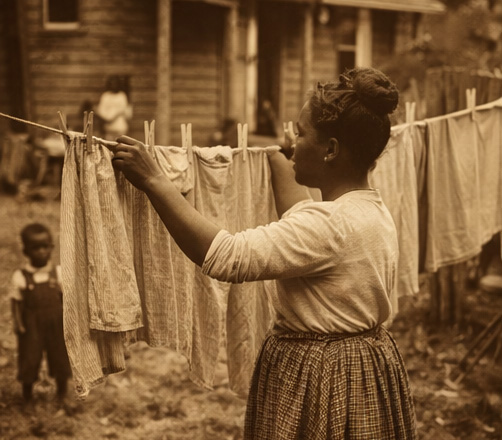
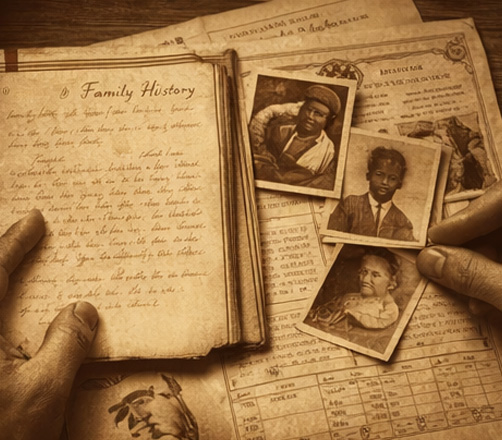
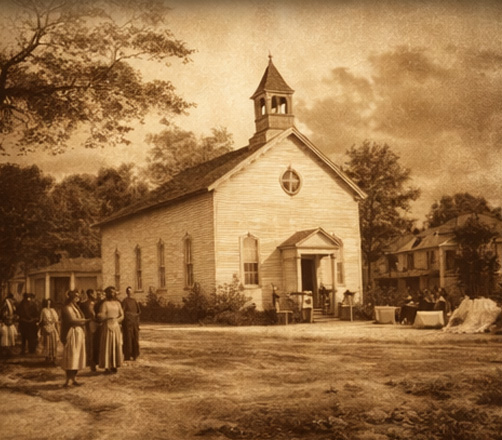
Services can be adapted for individual families, legacy projects, church archives, cemetery work, and local history efforts.
Family lineage tracing, record analysis, and research support grounded in source comparison, documented findings, and careful evaluation of conflicting evidence.
Support for organizing historical collections, private papers, church records, and community materials so they are usable, searchable, and easier to preserve.
Digitization planning, file naming systems, metadata structures, and custom indexes that improve discoverability and long-term access.
Analysis of census records, death certificates, probate records, military records, church documentation, cemetery records, and other source materials used to reconstruct family and community history.
Transcription and cleanup of handwritten, fragile, or difficult records to improve accessibility, accuracy, and historical usability.
Placeholder for family history books, lineage packets, cemetery indexing, or society-specific projects. Swap this out for the work most worth selling.
This site is built around the work of a researcher who has spent decades tracing family history, organizing records, and helping preserve stories that might otherwise vanish into dusty boxes and half-remembered lore.
Blanding Historical Stories reflects years of genealogical and historical research focused on documented lineage, archival order, and accessible preservation. The work includes family research, community archive support, indexing, digitization, and careful source evaluation.
“The best family history is not the version that sounds nicest. It is the version that survives the records.”
Replace this quote with a real line from your relative later, if desired. For now it does the job without sounding like a haunted brochure.
Every project is different, but the method stays consistent: gather, compare, verify, document, and preserve.
Research begins with the record, not the assumption. Sources are compared carefully, contradictions are noted, and conclusions are built from evidence instead of wishful family mythology.
Historical work matters more when it can be found, understood, and maintained later. Organization, indexing, and documentation are treated as part of the research itself, not decorative afterthoughts.
Built from the resume material we already shaped, with a few placeholders left open so you can swap in specifics without a melodrama spiral.
Association of Professional Genealogists (APG)
National Genealogical Society (NGS)
Volunteer transcription work, published research support, and cemetery indexing/transcription projects. Replace this with named examples if you want the site to flex harder.
Additional background in documentation-heavy, accuracy-critical systems work. Useful because historical research also punishes sloppiness, just with older paperwork.
For genealogy inquiries, archival support, community history projects, or records organization work, reach out by email. A short note about the project, region, family line, or type of collection is enough to get started.